

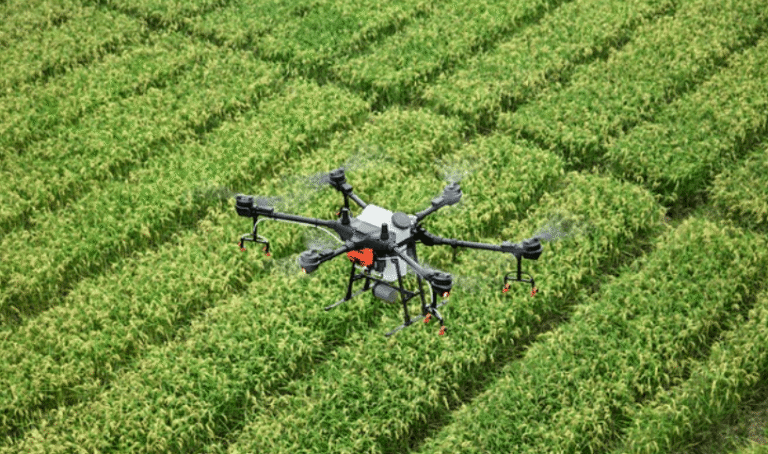
The integration of IoT technologies into agriculture marks a significant shift in traditional practices. By utilizing sensor networks, farmers can access real-time data on critical factors like soil moisture and crop health. This information empowers them to make informed decisions that enhance productivity and sustainability. However, the implications of these advancements extend far beyond immediate benefits. The evolving landscape of agricultural IoT presents intriguing possibilities for the future, raising questions about its long-term impact on farming.
The Role of IoT in Precision Agriculture
The infusion of Internet of Things (IoT) technology into precision agriculture revolutionizes traditional farming practices by enabling real-time data collection and analysis.
Through sensor networks deployed across fields, farmers can gather critical information on soil moisture and crop health.
Data analytics then transforms this data into actionable insights, empowering farmers to make informed decisions, ultimately enhancing productivity and resource efficiency while promoting sustainable agricultural practices.
See also: How Edge Computing Is Enhancing Data Processing Speed
Benefits of IoT for Crop Monitoring and Management
While traditional farming relies heavily on intuition and experience, integrating IoT technology into crop monitoring and management significantly enhances decision-making processes.
By leveraging data analytics, farmers can gain real-time insights into soil conditions, weather patterns, and plant health.
This information facilitates yield optimization, allowing for more precise interventions and improved productivity.
Ultimately, this empowers farmers to make informed choices that promote sustainable agricultural practices.
Enhancing Resource Efficiency Through Iot Solutions
Resource efficiency stands as a pivotal concern in modern agriculture, and IoT solutions offer transformative strategies to address this challenge.
Smart irrigation systems optimize water usage, ensuring crops receive adequate hydration while conserving resources.
Additionally, livestock tracking technologies enhance management efficiency, monitoring animal health and location.
Together, these innovations empower farmers to maximize yields while minimizing waste, fostering a more sustainable agricultural landscape.
Future Trends: The Next Frontier in Agricultural IoT
As advancements in technology continue to shape the agricultural landscape, the future of IoT in farming appears increasingly promising.
Smart farming will leverage data analytics to optimize crop yields and resource management. Emerging trends include precision agriculture, autonomous machinery, and enhanced connectivity, enabling farmers to make informed decisions.
This evolution will not only increase productivity but also promote sustainable practices in agriculture.
Conclusion
In conclusion, the integration of IoT in agriculture serves as a beacon of innovation, illuminating the path toward enhanced productivity and sustainability. Like a well-tuned orchestra, where each instrument harmonizes to create a symphony, IoT solutions synchronize various aspects of farming, from crop monitoring to resource management. As technology continues to evolve, the agricultural sector stands poised to embrace new advancements, fostering a future where data-driven decisions cultivate growth and resilience in the face of global challenges.