

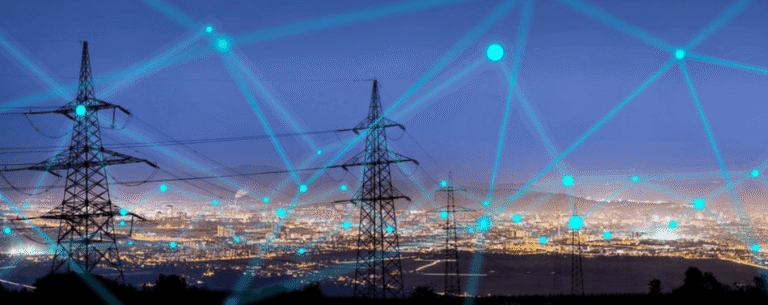
Smart grids are fundamentally transforming the energy industry through the integration of IoT and AI technologies. These advancements enable real-time monitoring and predictive maintenance, leading to significant improvements in energy efficiency and reliability. By optimizing resource allocation, utilities can reduce operational costs while accommodating the growing demand for renewable energy. The implications for both consumers and businesses are profound, raising questions about the future of energy consumption and management.
The Role of IoT and AI in Smart Grids
As the energy landscape evolves, the integration of the Internet of Things (IoT) and artificial intelligence (AI) into smart grids has become increasingly critical for enhancing operational efficiency and reliability.
Smart meters facilitate real-time data collection, enabling predictive maintenance algorithms to anticipate equipment failures. This proactive approach minimizes downtime, optimizes resource allocation, and fosters a resilient energy infrastructure, ultimately empowering consumers with greater control over their energy consumption.
See also: How Smart Devices Are Making Our Lives Easier
Enhancing Energy Efficiency and Reliability
While traditional energy systems often struggle with inefficiencies and reliability issues, the implementation of smart grid technologies significantly enhances both energy efficiency and system reliability.
By leveraging demand response strategies and grid optimization techniques, utilities can better match energy supply with consumer demand.
This dynamic approach not only reduces operational costs but also empowers consumers with greater control over their energy usage, fostering a more resilient energy ecosystem.
The Impact on Renewable Energy Integration
The integration of renewable energy sources into the existing power grid is significantly enhanced by smart grid technologies, which facilitate real-time monitoring and management of energy flows.
These advancements promote grid flexibility, enabling higher penetration of renewables while maximizing renewable incentives.
As a result, energy producers can better align supply with demand, thereby optimizing the overall efficiency and sustainability of the energy landscape.
Benefits for Consumers and Businesses
Smart grid technologies not only facilitate the integration of renewable energy sources but also provide substantial benefits for consumers and businesses.
Conclusion
In the grand tapestry of the energy landscape, smart grids emerge as the weavers, intricately intertwining threads of IoT and AI to create a robust fabric of efficiency and reliability. This evolving paradigm not only nurtures the flourishing of renewable resources but also bestows consumers and businesses with newfound empowerment, akin to artisans wielding tools of precision. As the dawn of this intelligent energy era unfolds, the promise of sustainability and cost savings gleams brightly on the horizon, beckoning all to partake in its benefits.