

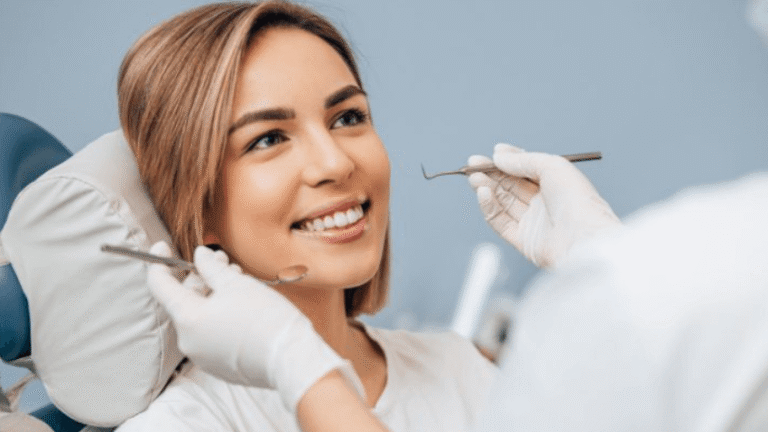
You might not think much about a dental exam when life is busy, your calendar is full, and nothing in your mouth seems to hurt. That is often how small problems stay hidden. Then one day, a little sensitivity turns into a cracked tooth, swollen gums, or a treatment plan you were not expecting. If that feels familiar, you are not alone. Many people put off routine care because they feel fine, feel nervous, or simply have too much going on. The good news is simple. Regular checkups with a family dentist in North Garland can catch trouble early, lower costs, and help you protect your smile before pain forces the issue.
That is the heart of Prevention Over Cure: Why Dental Exams Save Smiles. Preventive visits are not just about clean teeth. They are about spotting decay, gum disease, bite issues, and other changes before they become harder and more expensive to treat. For families, that can mean fewer emergencies, less stress, and a healthier routine that lasts for years.
Why do routine dental exams matter when nothing seems wrong?
It is easy to assume that no pain means no problem. But many dental issues begin quietly. Cavities can form between teeth. Gum disease can start with mild bleeding that seems easy to ignore. Teeth can wear down slowly from grinding at night. Because these changes build over time, they often go unnoticed until they interfere with eating, sleeping, or speaking with confidence.
That is where a family dentist can make a real difference. During routine exams, your dentist is looking for more than obvious damage. They check for early signs of decay, gum inflammation, infection, and changes in the soft tissues of your mouth. They may also spot signs of health conditions that show up orally first. According to the CDC, adult oral health habits and regular dental care play an important role in keeping your mouth healthy over time.
So, where does that leave you if you have been putting visits off? It means the best time to schedule an exam is usually before something starts to hurt. Preventive dental care works best when it happens early, not after damage has spread.
What can happen when small dental problems are left alone?
A tiny cavity may only need a small filling when found early. Left alone, that same cavity can reach the inner part of the tooth and lead to severe pain, infection, or a root canal. Mild gingivitis may improve with better home care and cleanings. Ignore it long enough, and it can become gum disease that affects the bone supporting your teeth.
This is where the emotional side matters too. Dental pain does not stay in one lane. It can affect sleep, work, school, meals, and your willingness to smile in photos. Parents often see this with children who avoid brushing because of discomfort, or with older family members who begin chewing on one side because something feels off. What starts as a small issue can ripple through daily life.
There is also the cost. Preventive care is usually far more manageable than emergency treatment. The CDC notes that preventive care helps find problems early, when treatment is often simpler and outcomes are better. That same idea applies in dentistry. A short exam and cleaning visit can help you avoid more time, more money, and more discomfort later.
How does prevention compare to waiting until treatment is needed?
If you are weighing whether routine visits are worth it, a simple side by side view can help. The point is not fear. It is clarity. Preventive dental exams often protect both your health and your budget.
| Approach | What it usually involves | Likely outcome |
| Routine exam and cleaning | Check for decay, gum changes, X rays when needed, cleaning, advice for home care | Early detection, lower chance of pain, smaller treatments if problems are found |
| Waiting until pain starts | Visit triggered by toothache, swelling, bleeding, or visible damage | Higher chance of advanced decay, infection, larger treatments, more time away from daily life |
| Home care only | Brushing and flossing without professional exams | Helpful daily support, but hidden problems may still go unnoticed |
Home care still matters, of course. Brushing with fluoride toothpaste, flossing, and watching sugar intake all help protect your teeth and gums. The National Institute of Dental and Craniofacial Research offers helpful oral hygiene guidance that supports healthy routines at home. Still, home care and professional exams work best together, not as replacements for each other.
What can you do now to protect your smile and your family?
1. Put exams on the calendar before problems appear.
Treat dental checkups like any other health appointment. When visits are planned ahead, you are less likely to wait until something hurts. This matters for children, adults, and older relatives alike. A family dentist can help track changes over time and keep care consistent.
2. Pay attention to quiet warning signs.
Bleeding when you brush, new sensitivity, bad breath that does not go away, jaw soreness, or a rough edge on a tooth can all mean something is changing. None of these signs should be brushed aside. Early attention often means a simpler fix.
3. Build a home routine that supports preventive care.
Brush twice a day with fluoride toothpaste, floss daily, drink water often, and limit frequent sugary snacks and drinks. If you grind your teeth, wake with jaw pain, or notice gum changes, mention it at your next visit. Small details help your dentist catch issues sooner.
See also: Leadership Skills Every Business Owner Needs
Could a simple exam really save your smile?
In many cases, yes. That is why the idea of prevention over treatment matters so much. Regular dental exams are not about doing more for the sake of it. They are about avoiding the pain, cost, and disruption that come when problems are allowed to grow. When you stay ahead of dental issues, you give yourself a better chance at keeping your natural teeth, protecting your comfort, and feeling at ease when you smile.
If it has been a while since your last visit, that does not mean you have failed. It just means now is a good time to start again. Reach out to a trusted family dentist and schedule your next exam. A small step today can spare you a much harder one later.