

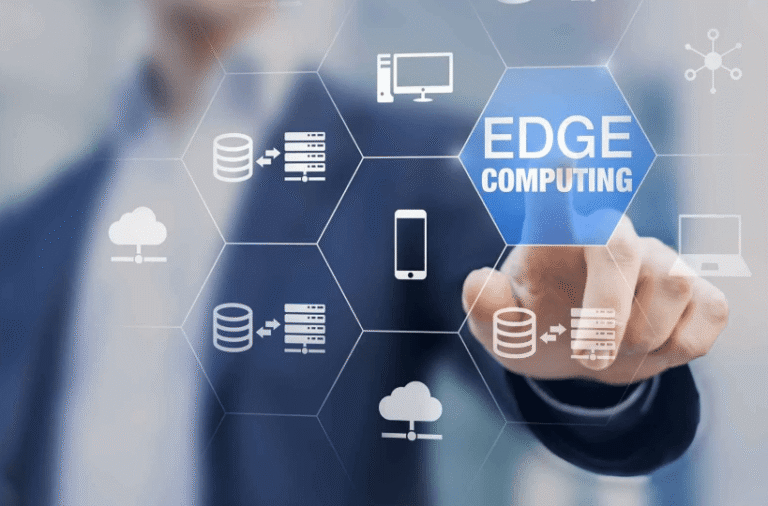
Edge computing represents a pivotal shift in data processing methodologies. By situating computational resources closer to data sources, it significantly reduces latency. This reduction allows for rapid data transmission and near-instantaneous response times. Various industries are beginning to adopt this technology, leading to real-time insights and improved operational efficiency. However, the implications of this shift extend beyond immediate performance benefits. Exploring these nuances reveals a broader transformation in how organizations approach data management.
Understanding Edge Computing and Its Architecture
Edge computing represents a paradigm shift in data processing architecture, positioning computational resources closer to the data source.
This innovative approach utilizes edge devices to enhance efficiency within network topology, minimizing data transmission times.
The Impact of Latency on Data Processing
Although latency is often overlooked in discussions of data processing, its effects on performance can be profound. High latency can significantly hinder data transmission, leading to delays in processing and response times.
In contrast, latency reduction techniques, such as edge computing, enhance the efficiency of data processing by minimizing the distance information must travel, ultimately facilitating faster and more reliable system performance.
Real-World Applications of Edge Computing
Latency reduction strategies, particularly through the implementation of edge computing, have led to significant advancements in various sectors.
In smart cities, real-time data processing enhances traffic management and public safety.
In industrial automation, edge computing optimizes machine performance and predictive maintenance, facilitating immediate responses to operational changes.
These applications illustrate how edge computing fosters efficiency and flexibility in increasingly data-driven environments.
Future Trends in Edge Computing and Data Processing Speed
How will emerging technologies shape the future of edge computing and its impact on data processing speed?
The rise of advanced edge devices will facilitate real-time data processing, while predictive analytics will enhance decision-making capabilities.
These trends promise to minimize latency and optimize resource allocation, ultimately leading to faster, more efficient data handling, thus empowering organizations to leverage insights with unprecedented agility.
Conclusion
In the grand orchestra of digital transformation, edge computing serves as the maestro, conducting the symphony of data processing with precision. By positioning computational resources at the nexus of data generation, it minimizes latency, akin to a well-tuned instrument responding swiftly to the conductor’s baton. As industries embrace this paradigm, they compose a harmonious blend of efficiency and agility, enabling immediate insights and fostering a dynamic landscape where decisions resonate with the rhythm of real-time information.