

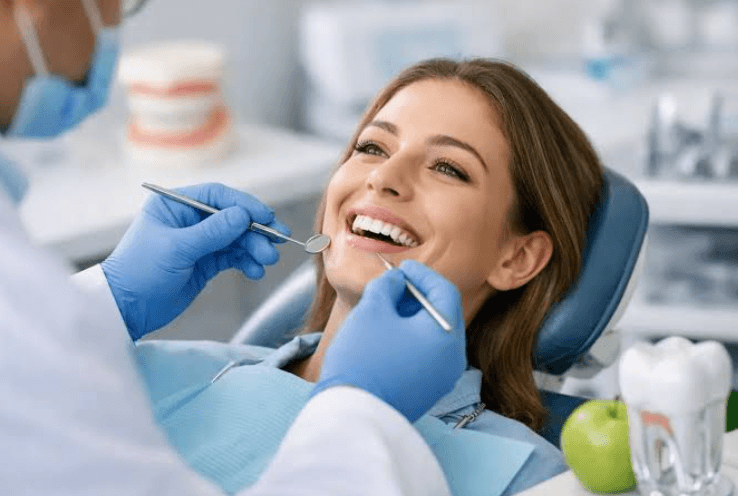
You brush, you floss when you can, and life still gets busy. A cleaning gets pushed back. A small spot of sensitivity seems easy to ignore. Then one day, you are dealing with a cavity, gum irritation, or a cosmetic issue that was cheaper and easier to prevent than to fix. That is the part many people know too well. Dental problems rarely show up all at once. They build quietly, and in some cases may even lead people to consider tooth implants in Concord, NC.
A healthy smile is not only about how your teeth look in photos. It affects how you eat, speak, sleep, and feel when you meet people. Preventive care keeps small issues from turning into painful and expensive ones, and it helps protect the appearance of your teeth at the same time. That is why preventive dentistry matters. It supports both function and beauty, which is what most people want from a general and cosmetic dentist in the first place.
Preventive dental care protects more than your teeth
Most dental trouble starts in ordinary ways. Plaque builds up along the gumline. A child gets a deep groove in a molar that traps food. An adult with dry mouth starts seeing more decay near the edges of old fillings. Nothing about this feels dramatic at first, which is exactly why prevention works so well. It catches changes before they become obvious.
According to the CDC, cavities and tooth decay remain one of the most common health concerns. Untreated decay can lead to pain, infection, trouble eating, missed work or school, and more involved treatment later. A simple exam and cleaning can reveal areas that need attention long before you need a crown or root canal.
The cosmetic side matters too. When plaque hardens into tartar, teeth can look dull or stained. When gums become inflamed, your smile can look uneven or tired. When enamel weakens, small chips and wear become more likely. People often think cosmetic dentistry starts with whitening or veneers, but a balanced smile usually starts with healthy enamel and stable gums. Prevention lays that foundation.
You may also be carrying a quiet financial worry. Many people avoid routine visits because they want to save money, then end up paying far more for restorative care. A missed cleaning can turn into a filling. A delayed filling can turn into a crown. A crown can turn into a root canal if infection reaches the pulp. The pattern is common, and it is frustrating because it is often avoidable.
Fluoride, sealants, and routine exams reduce future dental treatment
Good home care matters, but it has limits. Your toothbrush cannot remove hardened tartar. You also cannot easily see what is happening between teeth or under older dental work. That is where professional prevention makes a difference.
Fluoride is one of the clearest examples. The CDC explains how fluoride helps prevent cavities by strengthening enamel and making teeth more resistant to acid attacks. For children, it supports developing teeth. For adults, especially those with dry mouth, recession, or a history of decay, it remains useful.
Sealants are another practical tool, especially for back teeth with deep grooves. The CDC notes that dental sealants can help protect molars from decay by creating a barrier over vulnerable chewing surfaces. They are often associated with children, but some adults can benefit too, depending on the shape and condition of their teeth.
Routine exams do something just as valuable. They create a record of your oral health over time. A dentist can compare gum measurements, watch wear patterns, check bite changes, and spot signs of grinding, clenching, or early decay. That is not cosmetic fluff. It is the kind of steady attention that helps preserve a smile that looks natural and feels comfortable.
Preventive dentistry costs less than delayed treatment in most cases
Preventive dental care often feels optional when nothing hurts. The problem is that pain is usually a late signal. By the time a tooth aches, the issue is often larger than it first appears.
| Situation | Preventive Approach | Likely Result | If Delayed |
| Early plaque buildup | Professional cleaning and better home care | Cleaner teeth, healthier gums, less staining | Tartar, gingivitis, deeper gum problems |
| Small area of enamel weakness | Exam, fluoride, monitoring | Lower risk of cavity progression | Decay that may need a filling or crown |
| Deep grooves in molars | Sealants | Added protection against trapped food and bacteria | Higher chance of decay in hard to clean areas |
| Mild teeth grinding | Bite evaluation and night guard if needed | Less wear, fewer chips, reduced jaw strain | Fractures, sensitivity, costly repair |
This is why many people who want a brighter, straighter, more polished smile start with a basic preventive plan. You cannot build lasting cosmetic results on top of untreated decay or gum disease. A skilled general and cosmetic dentist looks at the whole picture first.
Small habits and regular dental visits keep your smile balanced
Schedule routine exams and cleanings. If it has been a while, start there without guilt. A preventive visit gives you a clear baseline. It can uncover plaque buildup, early cavities, gum inflammation, or bite issues before they become larger problems.
Use proven protection at home. Brush twice a day with fluoride toothpaste, floss daily, and ask whether you or your child could benefit from extra fluoride support or sealants. This is one of the simplest ways to support oral health prevention without making your routine complicated.
Act on small changes quickly. Sensitivity, bleeding gums, bad breath that lingers, or a rough edge on a tooth should not wait for months. Early action usually means simpler treatment, less discomfort, and better cosmetic outcomes.
See also: Leadership Skills Every Business Owner Needs
A beautiful smile stays stronger with prevention
The goal is not perfection. It is stability. When your teeth are clean, your gums are healthy, and problems are caught early, your smile has a better chance of staying balanced, attractive, and comfortable for years. Prevention supports appearance because it protects the structure underneath it.
If you have been putting off dental care, you are not alone, and you do not need to solve everything at once. Start with the next preventive visit and build from there.