

The journey through healthcare education is often described as a marathon run at a sprinter’s pace. For undergraduate students, the transition from theoretical classroom learning to high-pressure clinical environments creates a unique psychological burden. Unlike other disciplines where an error might result in a lower grade, in healthcare, the stakes involve human lives. This constant weight leads to a specific type of exhaustion known as decision fatigue, where the ability to make even simple choices becomes compromised after a long day of critical thinking.
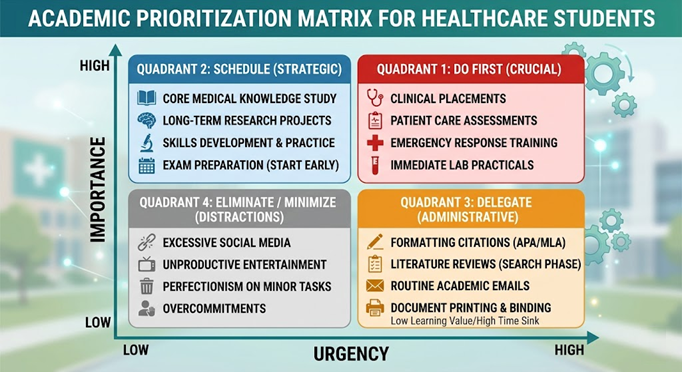
Managing this load requires more than just better time management; it requires a systemic approach to mental preservation. When the volume of research papers and lab reports begins to overshadow the practical learning experience, many students find that seeking professional assignment help through platforms like Myassignmenthelp allows them to refocus their energy on clinical mastery. By delegating the heavy lifting of academic formatting and literature reviews, students can protect their cognitive bandwidth for the high-stakes decisions they must face during their hospital rotations and practical exams.
The Science of Mental Fatigue in Clinical Settings
Mental fatigue in healthcare isn’t just about feeling tired; it is a measurable decline in cognitive function. Research into “brain fog” among medical and nursing students suggests that prolonged periods of high-intensity focus deplete the prefrontal cortex of glucose. This area of the brain is responsible for executive functions—planning, reasoning, and impulse control. When this “fuel” runs low, students often experience:
- Reduced Vigilance: A decrease in the ability to notice subtle changes in a patient’s condition.
- Slower Processing Speed: Taking longer to interpret diagnostic data or textbook theories.
- Emotional Blunting: Feeling detached from the patient experience as a survival mechanism.
Strategies for Cognitive Preservation
To combat this, successful students often employ “micro-rest” techniques. Instead of waiting for a weekend that may never come, they utilize the ten-minute gaps between lectures or rounds to practice sensory grounding. This involves stepping away from screens and refocusing on the physical environment, which helps reset the nervous system.
| Strategy | Implementation | Benefit |
| Cognitive Offloading | Using digital planners or academic services. | Reduces the mental “tabs” left open in the brain. |
| Monotasking | Focus on one patient or one chapter at a time. | Prevents the “switching cost” that drains energy. |
| Hydration & Glucose | Consistent, low-GI snacks during long shifts. | Maintains steady energy for the prefrontal cortex. |
Navigating Specific Academic Pressures
For those studying in specific geographic or regulatory environments, the pressure is often doubled by strict local standards. For instance, those navigating the rigorous clinical standards of the Southern Hemisphere find that specialized nursing assignment help Australia from Myassignmenthelp provides the necessary alignment with local healthcare codes and safety protocols. Balancing these specific academic requirements with the physical demands of placement is the primary hurdle for modern healthcare students. This targeted support ensures that a student’s academic record remains as strong as their practical performance.
The Role of Peer Support and Professional Networks
Isolation is a significant driver of fatigue. When students feel they are the only ones struggling with the volume of work, their stress levels skyrocket. Building a “study tribe” is essential. These groups serve two purposes: they allow for the sharing of resources and provide a space to vent about the emotional toll of clinical work.
In a globalized education landscape, these networks often extend online. Engaging with international student forums allows undergraduates to see that the challenges of pharmacology or anatomy are universal. This perspective helps normalize the struggle and reduces the “imposter syndrome” that frequently contributes to mental exhaustion.
Redefining Productivity in Healthcare Education
The traditional “hustle culture” in medicine—where staying awake for 24 hours is seen as a badge of honor—is slowly being dismantled. Modern educators are beginning to realize that a rested student is a safer student. Productivity should not be measured by the number of hours spent staring at a textbook, but by the quality of the synthesis achieved.
Learning to say “no” to extra-curricular commitments during peak exam periods is a vital professional skill. In the healthcare world, knowing your limits is a competency, not a weakness. By prioritizing sleep and utilizing academic support systems, students ensure they are entering the workforce with their passion for care intact, rather than burned out before they even graduate.
See also: How Smart Devices Are Making Our Lives Easier
Frequently Asked Questions (FAQ)
1. How can I tell the difference between normal tiredness and mental fatigue?
Ans: Normal tiredness is usually physical and is resolved by a good night’s sleep. Mental fatigue feels like “brain fog,” where you struggle to concentrate, feel unusually irritable, and find it difficult to make even minor decisions despite being rested.
2. Does using academic help services count as a “red flag” for my performance?
Ans: Not at all. Professional academic support is a tool for time management. High-achieving students often use these services to manage their “peripheral” tasks, allowing them to devote more time to high-priority clinical practice and hands-on learning.
3. What is the most effective way to recover from a long clinical shift?
Ans: Avoid “revenge bedtime procrastination” (staying up late to reclaim personal time). Instead, use a “transition ritual” such as a shower or a 15-minute walk to separate your clinical persona from your home life, then prioritize at least 7-8 hours of sleep.
4. How do these strategies apply to international students?
Ans: The principles of cognitive load are universal. Whether you are studying in the UK, Canada, or Australia, the biological limits of the human brain remain the same. Using global support networks helps bridge the gap between different curriculum standards.
About The Author
I’m Min Seow, a Senior Academic Consultant and Content Strategist at Myassignmenthelp, where I specialize in developing pedagogical frameworks for students in high-pressure degree programs. With a background in STEM education and a focus on cognitive load theory, I help undergraduates bridge the gap between complex theoretical research and practical clinical application.