

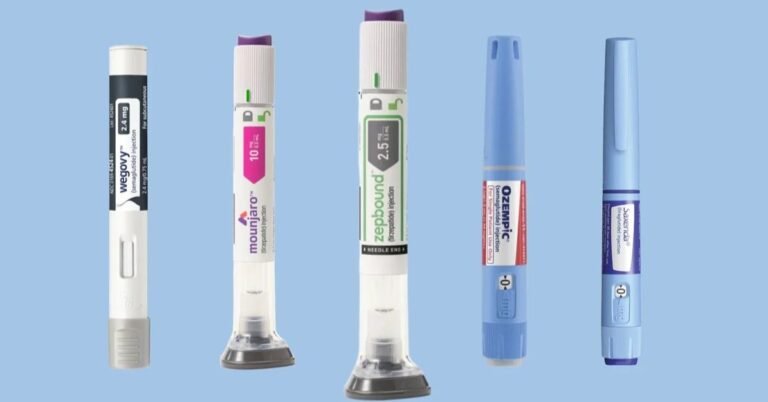
Prescription medications for weight management have gained enormous attention in recent years as more people look for medically supported ways to improve long-term health and manage obesity. Among the most discussed treatments today are Mounjaro and Zepbound. Since both medications contain the same active ingredient, many people become confused when trying to understand what is the difference between Mounjaro and Zepbound.
The confusion is understandable because the medications are closely related and work in very similar ways inside the body. Both treatments influence appetite, digestion, and blood sugar regulation while helping many individuals achieve significant weight loss results. However, there are still important distinctions involving approval purposes, branding, prescribing approaches, and treatment goals.
People researching mounjaro vs zepbound often want to know whether one medication works better for weight loss, whether side effects differ, and which option may be more appropriate for their situation. Understanding these differences can help patients make more informed decisions when discussing treatment options with healthcare providers.
AM Rx helps patients navigate prescription weight management through medically supervised guidance and personalized support. Rather than focusing on social media trends or unrealistic promises, AM Rx emphasizes safe, sustainable, and individualized treatment planning designed around long-term wellness goals.
Understanding Mounjaro and Zepbound Clearly
To properly answer what is the difference between Mounjaro and Zepbound, we first need to understand what each medication is designed for. Mounjaro was originally created to help people with type 2 diabetes manage their blood sugar levels more effectively. Over time, it was observed that patients also experienced significant weight loss while using it.
Zepbound, however, was developed specifically for weight management in adults dealing with obesity or weight-related health conditions. Even though both medications are closely related in structure, their approved uses are different.
Many users researching through AM Rx often realize that the confusion comes from their shared active ingredient, not their purpose. This is why understanding their role in treatment is essential before choosing one.
What Is the Difference Between Mounjaro and Zepbound in Simple Terms?
When we break down what is the difference between Mounjaro and Zepbound, the answer becomes much simpler than it seems. Both medications contain the same active ingredient called tirzepatide, which works on hormones that control blood sugar and appetite.
However, Mounjaro is mainly prescribed for diabetes management, while Zepbound is specifically approved for weight loss treatment. This difference in approval is what separates their medical use, even though their effects inside the body are very similar.
At AM Rx, this distinction is often explained in a way that helps users avoid misunderstanding their treatment options. Instead of thinking of them as completely different drugs, it is more accurate to see them as two versions of the same therapy used for different goals.
Mounjaro vs Zepbound: How They Work in the Body
When comparing mounjaro vs zepbound, it is important to understand how they function biologically. Both medications activate two key hormone receptors, GLP-1 and GIP, which play a major role in regulating appetite, digestion, and blood sugar levels.
This dual mechanism helps slow down digestion and reduces hunger signals, making it easier for individuals to consume fewer calories naturally. Over time, this leads to gradual weight loss and improved metabolic balance.
Many individuals following guidance from personalized weight loss coaching and medication plans by AM Rx find this mechanism particularly interesting because it explains why both medications produce similar results despite having different names and approvals.
Zepbound for Weight Loss and Its Real-World Results
Zepbound has quickly become one of the most talked-about medications in the weight management space. Since it is specifically designed for this purpose, zepbound for weight loss has shown promising results in clinical studies and real-world use.
Patients often experience steady weight reduction over several weeks and months, especially when combined with healthy lifestyle changes. One of the key benefits is appetite control, which helps reduce overeating without extreme dieting efforts.
Users exploring treatment options through AM Rx often find that consistency is the most important factor in achieving meaningful results. Zepbound is not about quick changes but about long-term improvement in eating habits and metabolism.
Mounjaro for Weight Loss and Its Growing Popularity
Although Mounjaro is officially prescribed for type 2 diabetes, it has gained attention for its weight loss effects. Many patients using mounjaro for weight loss have reported noticeable changes in body weight during treatment.
This happens because it contains the same active ingredient as Zepbound, meaning it affects appetite and digestion in a similar way. However, its primary medical purpose remains blood sugar control rather than weight reduction.
At AM Rx, it is often highlighted that Mounjaro’s weight-related effects are considered an additional benefit rather than its main function. This is why doctors evaluate each case carefully before prescribing it for weight-related goals.

Access, Availability, and Practical Considerations
Another important factor in the mounjaro vs zepbound discussion is availability. Depending on location, insurance coverage, and medical guidelines, one medication may be more accessible than the other.
Since Zepbound is specifically approved for weight loss, it may be handled differently in terms of prescriptions and insurance compared to Mounjaro, which is tied to diabetes treatment. This can influence a doctor’s recommendation based on practicality rather than effectiveness.
Many users exploring options through AM Rx find that these real-world factors often play a major role in deciding between the two medications.
See also: How High-Stakes Healthcare Students Manage Mental Fatigue
Which One Should You Consider?
Choosing between Mounjaro and Zepbound depends entirely on individual health needs. If the main concern is type 2 diabetes, Mounjaro is usually the preferred option. If the goal is weight loss, Zepbound is more commonly recommended.
In many cases discussed through AM Rx, it becomes clear that both medications are not competing alternatives but closely related treatments used for different medical purposes. A healthcare provider’s advice is always essential in making the right decision.
Conclusion
So, what is the difference between Mounjaro and Zepbound in simple terms? Both medications contain the same active ingredient, tirzepatide, but they are approved for different purposes. Mounjaro is mainly used for type 2 diabetes management, while Zepbound is focused on weight loss treatment.
Both have shown strong results in improving metabolic health and supporting weight reduction when used correctly under medical supervision. The right choice depends on individual health conditions, goals, and professional advice.
As more people explore modern treatment options, AM Rx continues to play a role in helping users understand these medications in a clear and practical way, making complex medical information easier to follow.
FAQs
1. What is the main difference between Mounjaro and Zepbound?
The main difference is their approved use. Mounjaro is for diabetes, while Zepbound is for weight loss.
2. Do Mounjaro and Zepbound contain the same ingredient?
Yes, both contain tirzepatide, which works on appetite and blood sugar regulation.
3. Which is better for weight loss?
Both can lead to weight loss, but Zepbound is specifically approved for that purpose.
4. Can Mounjaro be used for weight loss?
Yes, but it is primarily prescribed for type 2 diabetes management.
5. How do doctors decide between them?
Doctors choose based on medical condition, treatment goals, and patient needs.